Ingredients – Properties
The products of the ONOELIXIR series contain many ingredients from the "storehouse of nature".
Each ingredient has many properties that help with hydration, regeneration and offer significant help, both in skin care and in strengthening our entire body.
• ALMOND OIL 
Sweet Almond oil is the most common base oil in aromatherapy and massage oils in general.
Derived from the Prunus Dulcis plant, almond oil has a very pleasant texture, is relatively easily absorbed and leaves the skin soft and moisturized.
Almond oil is rich in vitamins A, B1, B2, B6, D, E and proteins.
It cares for and nourishes the skin while effectively combating skin irritations.
It is suitable for all skin types and is particularly tonic for dry and sensitive skin.
• JOJOBA OIL 
Jojoba oil (Buxus Chinensis) is one of the most well-known and valuable base oils in modern aromatherapy.
Jojoba oil has a characteristic that no other base oil has: its organic composition is very close to the composition of human skin sebum. In fact, it “mimics” the skin’s natural collagen.
Thus, Jojoba oil is highly moisturizing, while at the same time nourishing and protecting the skin, and is rich in vitamins (A, B1, B2, B6 and especially E).
It has a natural sun protection factor of SPF 5 which makes it ideal for hair care in the summer.
• SHEA BUTTER 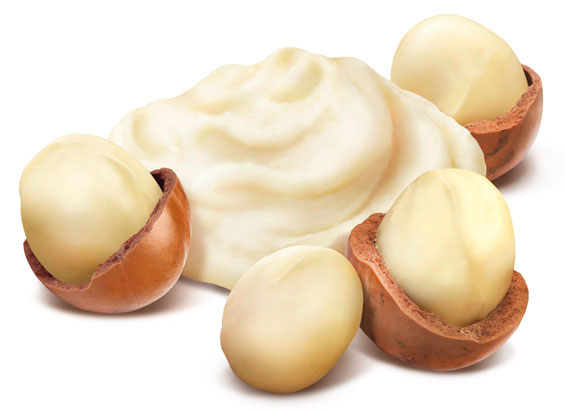
Shea Butter is derived from the processing of the fruit of the Vitellaria Paradoxa tree, which is found in West and Central Africa. The tree begins to produce fruit, which resemble large plums, when it reaches the age of 10-15. Shea Butter seems to have been known since the time of Ancient Egypt, as there are texts that mention its transportation by caravans. Its name comes from the Senegalese word ghariti, which describes the tree and which was translated into French as “karité”.
Shea Butter is composed of 5 vegetable fatty acids, with stearic acid and oleic acid representing 85-90% of its composition. Its high content of vegetable fats gives Shea Butter amazing moisturizing properties. Its use increases the elasticity of the skin and helps maintain natural moisture.
Shea Butter is particularly rich in phenolic compounds, which are known to have strong antioxidant activity. Of the 10 phenolic compounds contained in Shea Butter, 7 are catechins, which are also found in Green Tea.
Catechins are thought to increase the skin's defense against external conditions such as pollution and solar radiation, while at the same time functioning as anti-aging agents as they fight free radicals.
Shea Butter contains vitamins E and A, which have antimicrobial effects and are valuable allies of the skin in treating irritations, infections and eczema.
• WILD ROSE 
Rosehip oil (Rosa Rubignosa) is one of the best anti-aging oils and the most ideal for the regeneration of skin tissues. It promotes the healing of scars and helps treat stretch marks during pregnancy, which is why it is often recommended for pregnant women. It is used to relieve the symptoms of psoriasis, neurodermatitis and sunburn, reduces spider veins, varicose veins and stretch marks as it increases collagen and elastin levels. It helps in the fight against free radicals and protects the skin from premature aging. All these properties are due to its high content of vitamin A, fatty acids and vitamin E.
• ARGAN 
Argan oil (Argania Spinosa) is the best oil for facial care, excellent for body massage and is considered suitable for all skin types. The tree that produces it (a living fossil of the Quaternary period) has remained unchanged for the last 1.6 million years. It thrives only in a few areas in the southeast of Morocco where it represents their essential oil and is now under the protection of UNESCO as a world cultural treasure.
Argan oil is considered one of the rarest oils as it takes 100 kilos of dried fruit (production of 6-8 trees) and 8 to 10 hours of hard work for 1 to 1.2 liters of oil. All stages of the work are carried out by a cooperative of Moroccan women who have passed down the processing method from generation to generation, maintaining the technique unchanged (only manual) until today. From a very early age, they had discovered the complex properties of the oil, making it the basic ingredient of their cuisine and their beauty.
Modern long-term research has revealed the benefits of Argan oil's components to the human body: It contains 80% monounsaturated and polyunsaturated fatty acids, Omega 9 and 6, as well as a significant percentage of linoleic acid, an unsaturated fatty acid that acts as a waterproofing agent for the skin, creating a protective barrier and maintaining its elasticity. It also contains carotenoids, terpenoids, polyphenols and tocopherols, all powerful antioxidants against free radicals that are responsible for skin aging. Thanks to its high vitamin E content, it is by far the most moisturizing, nourishing, anti-wrinkle and anti-aging oil. Its Palmitic, Stearic, Oleic acids and phytosterols have anti-inflammatory effects and act reparatively on skin tissue. In addition, it contains squalene, a unique and rare element against skin cancer.
• ALOE 
Aloe Vera Gel is derived from the processing of the leaves of the Aloe Barbadensis plant, which is believed to be native to North Africa. There is historical evidence that Aloe was known since the Sumerian era (1,500 BC), while the first “systematic” description of its properties was made by Dioscorides (50 AD).
Aloe vera contains over 75 nutrients, including 12 vitamins, 20 minerals and 18 amino acids. Aloe vera is a real “storehouse” of valuable ingredients, as it contains ingredients such as vitamins A, B1, B2, B3, B5, B6, B12, C, E and folic acid. It contains trace elements such as iron, copper, magnesium, manganese, phosphorus, molybdenum, selenium, potassium and iodine. It also contains amino acids, saponins, uronic acids, anthraquinones and lignin.
Aloe vera has a positive effect on the human body, both when used externally on the skin and when consumed in the form of juice. It has soothing and moisturizing properties and for this reason you will find it in After Sun cosmetic products, skin moisturizers, shampoos, soaps and so on.
Suitable for every skin type and an essential cosmetic for frequent use.
• ROSE WATER 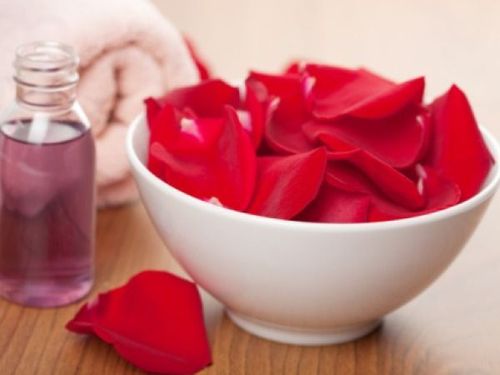
Since ancient times, rose petals have been used both as a women's cosmetic and as a treatment for various ailments. Rose water, which is obtained by steam distillation of fresh rose petals, has many beneficial properties that care for our skin!
Rose water is used for both the prevention and treatment of acne. It can be used to deep cleanse the skin and "open" clogged pores due to its antibacterial properties. This prevents acne and pimples.
It reduces redness and flaking of the skin, as it has anti-inflammatory properties. Unlike other products, rose water leaves your skin smooth, without drying it out. Ideal for after shaving as it leaves the skin soft and fragrant!
It contains a good amount of vitamin C, which is a powerful antioxidant. The vitamin C in rose will help protect skin cells from harmful radiation. Rose water can be used to prevent sunburn or to cool your skin from the heat!
It maintains the natural pH balance and provides deep hydration. At the same time, it is beneficial for all skin types, from very dry to oily with acne problems. Ideal for sensitive skin that is not allowed to use "heavy" skin care products!
It tones and tightens the skin and prevents the formation of wrinkles. Its frequent use will leave your skin glowing and soft, as it helps restore its elasticity.
• VITAMIN A 
Vitamin A (Vitamin A Palmitate) is a valuable skin regeneration ingredient, with wonderful anti-aging effects.
Vitamin A has powerful anti-aging properties, as it appears to have the ability to activate the production of elastin and collagen in the dermis – the connective tissue that supports the skin and connects it to the subcutaneous fat. The dermis contains the network of elastic fibers, which determines the quality of the skin’s elasticity. The reduction of wrinkle intensity and the increase in blood circulation in the skin (it looks “fresher”) are indications of the action of vitamin A.
Vitamin A also exhibits strong regenerative effects.
• VITAMIN E 
Vitamin E significantly improves skin elasticity and helps treat premature aging.
Vitamin E oil can therefore be used as is on the skin (face and body) and is also ideal for pregnant women to prevent and avoid stretch marks.
• MARINE COLLAGEN 
Collagen is the main protein found in connective tissues, that is, those whose role is to support other tissues and contribute to the body's defense, the transport and storage of nutrients, and so on. There are various forms of collagen. The type of collagen that is considered responsible for the youthful appearance of the skin is collagen type III, the one that is found abundantly in the algae Porphyra Tenera.
Marine collagen is currently considered one of the most anti-aging ingredients in the cosmetics industry. It enhances skin elasticity, helps reduce the intensity of wrinkles, and generally offers freshness and vitality to mature skin.
• ELASTIN 
Elastin is a protein, a very important component of the connective tissue of the human body.
Elastin is found in organs such as arteries, aorta, trachea, bronchi, and lungs.
The elastin content of human skin ranges between 2.7 and 2.17%.
The amount of elastin in the skin decreases significantly over time, resulting in unpleasant consequences such as lack of elasticity and resilience as well as skin aging.
It is used in cosmetic products in ampoules, masks and daily creams.
The results of using elastin are very positive because it has been proven to improve wrinkles, renew tired skin, and tone the breasts.
• PROVITAMIN B5 (PANTENOL) 
Panthenol is a natural moisturizing form of provitamin B5, in its alcohol form. It easily penetrates the skin, moisturizes it, improves the rate of cell proliferation and enhances epithelialization, especially in skin with problems from burns, laser, eczema, radiotherapy and plastic surgery.
When provitamin B5 comes into contact with the skin:
It greatly accelerates the healing of scars resulting from burns and wounds and improves their appearance.
Stimulates cell proliferation (mitotic activity) of the epidermis and contributes to the synthesis of intracellular proteins
It penetrates deeply into the skin, hydrates it and gives it softness and elasticity.
It has anti-inflammatory properties and soothes irritated skin.
Protects the skin from environmental stress
As an antioxidant, it participates in the metabolism and breakdown of many biochemicals, such as fatty acids, steroids, phospholipids, amino acids, etc.
• HYALURONIC ACID 
Hyaluronic Acid is one of the most important anti-aging ingredients used in the cosmetics industry today.
Hyaluronic acid is used to transport moisture to the skin and maintain its “freshness”. In reality, each hyaluronic acid molecule “absorbs” many times (more than 1,000) its weight in moisture. When this moisture is transferred to the skin, it tones it, gives it firmness and renews it. It is an ideal ingredient for reducing wrinkles.
• OLIVE SQUALANE 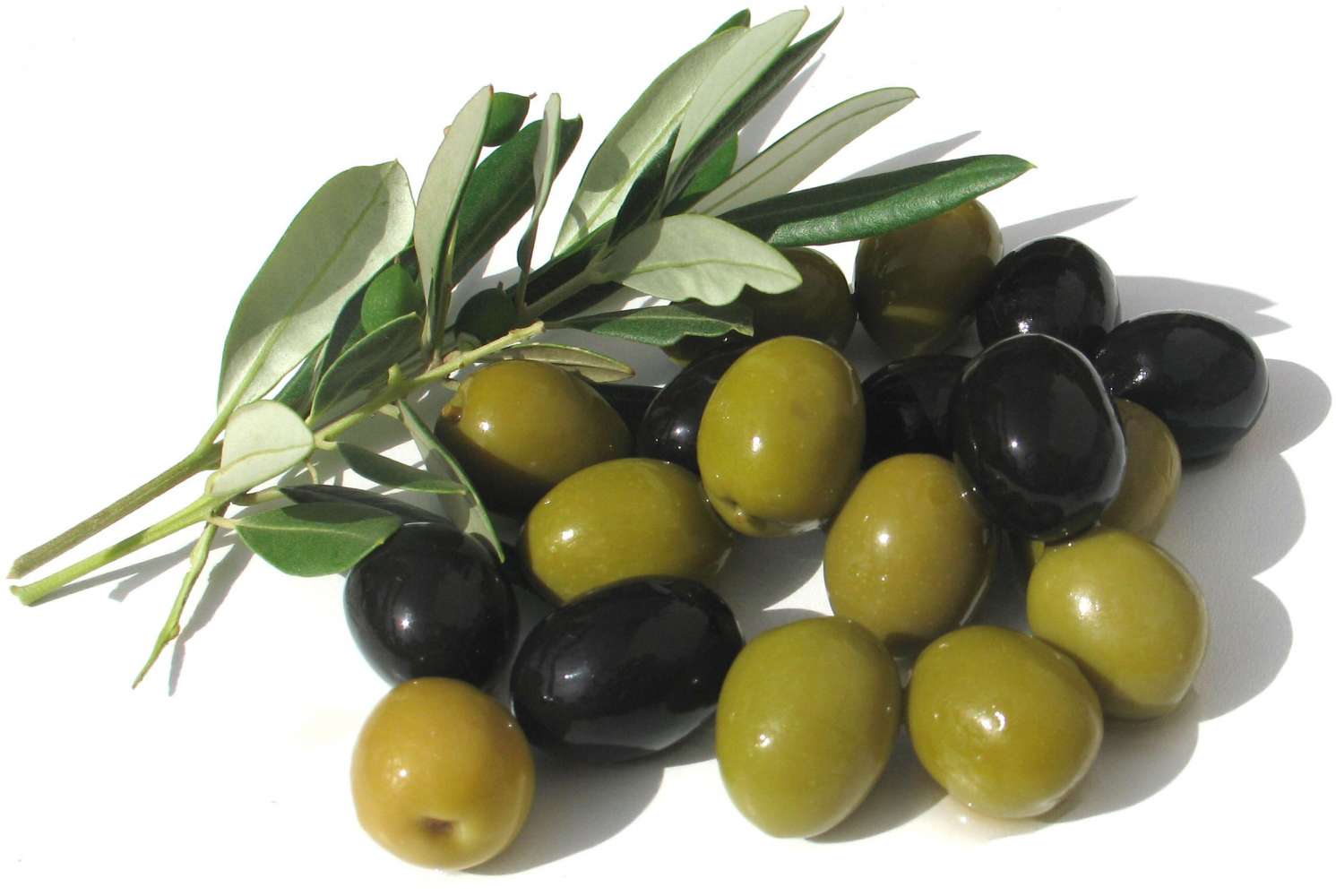
Squalane is an oily liquid and one of the most important lipids produced in human cells and tissues. It functions as a natural moisturizing agent and as an oxygen “supplier” of human skin.
Squalane is found in large quantities in certain plants such as olives, amaranth, rice and wheat. Extra virgin olive oil contains approximately 400-450 mg/100gr of Squalane. Several scientists believe that the longevity and relatively low rates of cardiovascular disease of Mediterranean peoples are due – to a certain extent – to the increased consumption of Squalane through olive oil.
Squalane is considered to have strong antioxidant properties, to strengthen the immune system and to significantly improve cell oxygenation.
Olive Squalane is considered to have multiple benefits for the skin. It is a powerful moisturizer, improves skin texture and has a strong toning effect. It contributes decisively to the maintenance of natural moisture, is absorbed very easily and reaches the deepest layers of the skin, reduces the intensity and formation of wrinkles and contributes to the repair of skin wounds.
• OAT PROTEIN 
Oat Protein is a plant-based ingredient that has been clinically proven to have powerful hydrating properties. Through the most “natural” chemical process, that of hydrolysis (with the addition of water), these valuable Oat proteins are isolated.
Oat protein is water soluble and can therefore be used in almost all cosmetics and soaps. It moisturizes the skin and hair and gives a silky texture to all cosmetics.
• COCONUT OIL 
Coconut Oil is a light oil with special characteristics, qualitatively different from regular coconut oil and comes from the Cocos Nucifera plant.
It is used for massage (usually together with almond oil) but also as a bath oil or natural antiseptic. It helps restore the natural pH of the skin and does not clog pores.
It contains vitamins A, B, E and minerals, such as phosphorus, magnesium, calcium and iron, and is compatible with every skin type because it is the closest to human subcutaneous tissue.
• CASTOR OIL 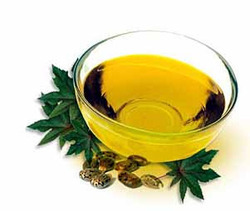
Castor Oil is derived from the processing of the Castor Beans of the Ricinus Communis plant. It has been traditionally used as a “medicinal” oil since the time of Ancient Egypt.
Castor oil, due to its low molecular weight, has the characteristic of penetrating the skin. In fact, it can and does penetrate the stratum corneum, the outer layer of the skin that consists of dead cells and which protects tissues from infections and dehydration.
The main component of Castor Oil (content up to 95%), Ricinoleic Acid, has remarkable anti-inflammatory properties, while at the same time exhibiting analgesic effects.
Due to its characteristics, Castor Oil is considered an ideal oil for deep cleansing and skin care. It is considered particularly suitable in cases of acne and eczema.
Castor oil is particularly rich in Omega-9 fatty acids. These acids have remarkable anti-inflammatory and antibacterial properties and for this reason, in recent years, Castor oil has become particularly popular for treating serious skin conditions such as acne. At the same time, Castor oil is a first-class moisturizing product, as it has the property of “trapping” moisture in the skin – preventing dehydration and premature aging.
• COCOA BUTTER 
Cocoa Butter is derived from the processing of the seeds of the Theobroma cacao plant, known in Greece as the cocoa tree. There is historical evidence that cocoa seeds have been used since 1900 BC, while its name comes from the word cacahuatl, with which the Aztecs described the plant. Cocoa Butter actually began to be used in 1828, when the Dutchman Casparus van Houten invented a hydraulic press for extracting butter from roasted seeds.
Today, Cocoa Butter is used by both chocolate manufacturers and the cosmetics and pharmaceutical industries.
Cocoa Butter is known for its antioxidant properties as it contains Vitamin E. However, it is even more known for its effectiveness in treating stretch marks, scars, skin "discoloration", dark circles under the eyes and wrinkles, as its high content of Vitamin K (7 mcg per 28g) gives it strong "healing" properties.
Cocoa Butter is ideal for dry, damaged and “aged” skin, as it has an intense moisturizing effect. This is due to the fact that it consists of 100% vegetable fats and does not contain proteins and carbohydrates.
It softens the skin and improves its elasticity.
• COCONUT OIL- BUTTER 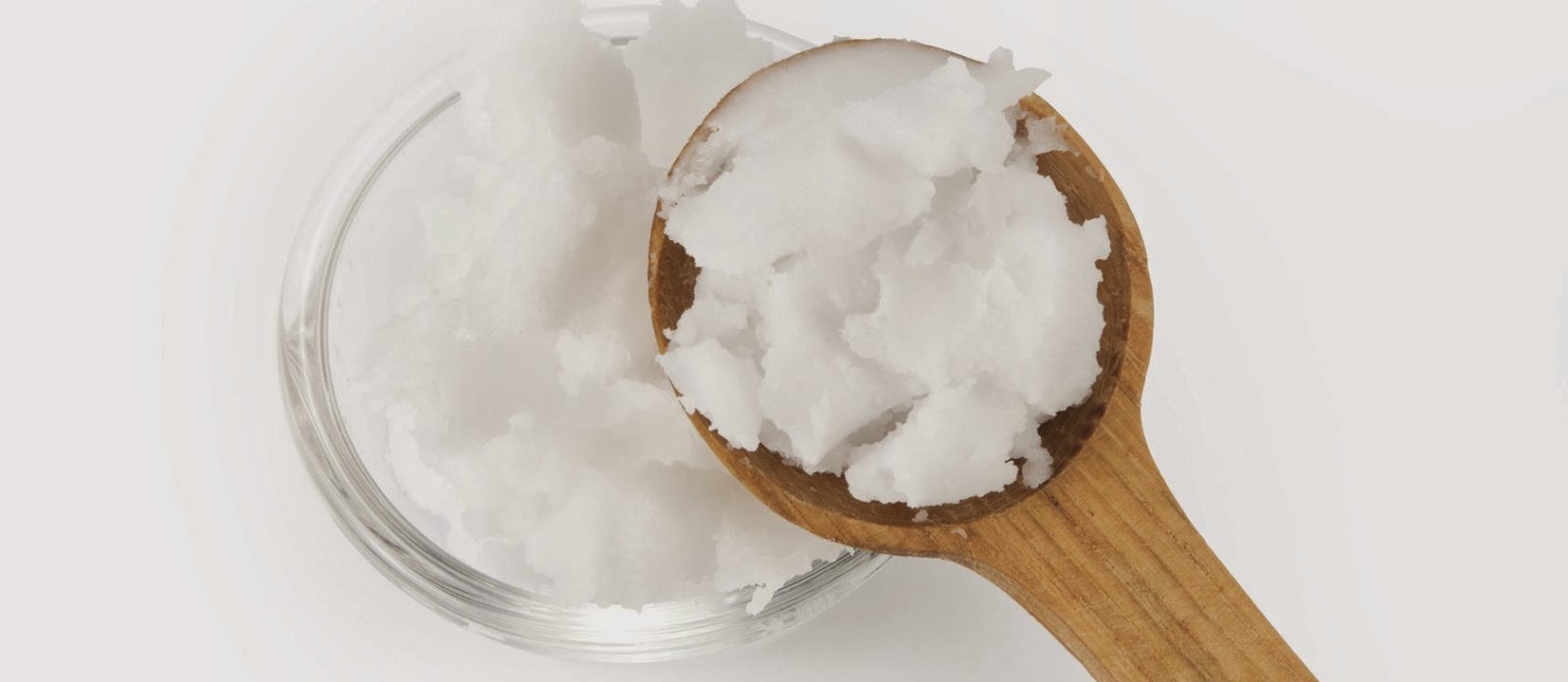
Coconut Butter is derived from the processing of the fruits of the Cocos Nucifera plant, the well-known Palm tree. Unlike Coconut Oil, which is derived from the pressing and extraction of the oil of the coconut flesh (which contains 651% oil), Coconut Butter is produced by “pulping” and processing the entire flesh of the fruit. For this reason, Coconut Butter has a “solid” form – when stored and transported at temperatures up to 25C.
Like Coconut Oil, Coconut Butter is rich in vitamins A, B, E and minerals such as phosphorus, magnesium, calcium and iron. Although it is compatible with all skin types (as it “mimics”, in composition, human subcutaneous tissue), it is usually used for oily skin.
• ESSENTIAL OILS 
Essential oils (also called volatile oils) are produced mainly from aromatic plants. They are mixtures of substances that evaporate very easily.
These substances, with their characteristic smell, give various plants specific medicinal and other properties.
Aromatic plants store essential oils in special spaces found in the leaves, stems, flowers, bark, wood, and even their roots – in the flowers of jasmine and rose – in the leaves of various plants such as thyme, oregano, thyme, mint, dittany, laurel, myrtle, oleander, sage, basil, spearmint. In fruits such as plums, apples, and grapes. The parts of the plant in which essential oils are primarily concentrated are special cells that function as natural storage spaces for the plant and are called oleaginous glands.
Essential oils are in liquid form at room temperature, but become volatile at boiling temperatures (between 50 – 320 degrees Celsius).
Due to their volatility, essential oils have a characteristic aroma.
The antimicrobial properties of essential oils have been known for a long time.
Essential oils also have antiseptic, antibacterial, antidepressant and many other properties, which are particularly beneficial.
They are used in cosmetics for facial and whole body care.
Aromatherapy is a form of therapy using essential oils and can contribute significantly to the relief of physical and mental disorders and the improvement of our daily lifestyle.
• MACADAMIA OIL 

Macadamia oil comes from the fruits of the Macadamia Ternifolia plant. It has very high moisturizing properties and is ideal for mature and “damaged” skin. It is easily and quickly absorbed by the skin due to its similarity to the fatty acids of the skin. It has a natural sun protection factor of 3-4. It acts against free radicals, positively affecting the skin’s metabolism. Its high content of Omega-7 makes it ideal for facial care. It is very rich in vitamins (A, B1, B2, B3, C and E), minerals (iron, magnesium) and proteins.
The Macadamia Oil contained in our products, it is 100% pure and contains no chemicals.